
Healthcare is increasingly shifting toward preventive strategies that support the body’s natural biology. At OlympusMD Wellness in Milton, many discussions with patients focus on metabolism, inflammation, hormone balance, recovery, and longevity. As medical research advances, clinicians are gaining a deeper understanding of how these systems interact to influence long-term health.
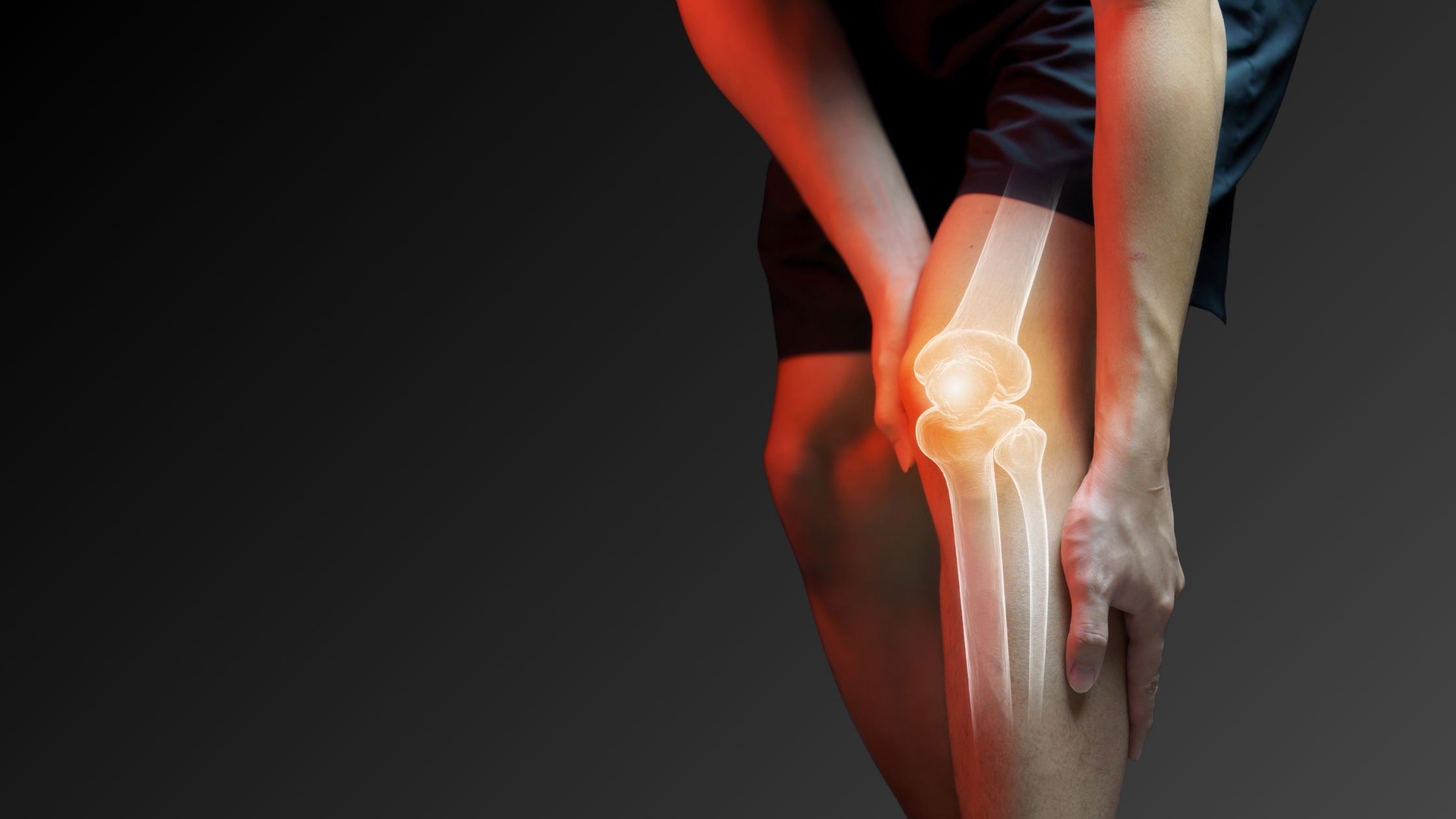
One important area of research is the relationship between inflammation and joint pain. Inflammation is a normal part of the body’s immune and healing response, but persistent or inappropriate inflammation can contribute to pain, swelling, stiffness, and changes within joint tissues.
Why Inflammation and Joint Pain Matter
Interest in metabolic medicine, longevity science, and regenerative therapies has increased dramatically. Researchers are studying how hormones, cellular signaling, inflammation, and lifestyle habits influence energy levels, resilience, and long-term health outcomes.
Inflammation is one of the body’s natural responses to injury, infection, or other biological challenges. In the short term, inflammatory signaling helps coordinate immune activity and tissue repair.
However, inflammation can also become persistent or occur as part of an underlying medical condition. Within joints, inflammatory activity can contribute to symptoms such as pain, swelling, warmth, and stiffness.
Importantly, inflammation and joint pain do not always have the same underlying cause. Different forms of arthritis and musculoskeletal conditions can produce similar symptoms through different biological mechanisms.
Readers interested in the broader role of inflammation can also explore why inflammation is linked to many chronic conditions.
Understanding the Biology
Human physiology operates through interconnected systems. Hormones influence metabolism, sleep affects hormone signaling, inflammation influences tissue repair, and stress affects nearly every biological process in the body. Because of this complexity, many modern health strategies examine the full biological picture rather than focusing on a single variable.
A joint contains more than bone and cartilage. It can also include synovial tissue, ligaments, tendons, and other structures that work together to allow movement.
In inflammatory forms of arthritis, immune activity can directly affect these tissues. Rheumatoid arthritis, for example, is an autoimmune disease in which the immune system attacks the body’s own tissues. Inflammation of the synovium can become chronic and contribute to pain, swelling, stiffness, and eventually joint damage.
Osteoarthritis is different. It involves changes and breakdown in multiple joint tissues, including cartilage, bone, synovium, tendons, and ligaments. Inflammatory processes can be involved, but osteoarthritis should not be described simply as an inflammatory disease.
These distinctions help explain why joint pain often begins at the cellular level and why identifying the underlying condition matters.
Personalized Health Strategies
Advances in diagnostics and medical research have made it possible for clinicians to evaluate symptoms, biomarkers, lifestyle factors, imaging, and medical history when developing individualized strategies. This approach is often referred to as precision or personalized medicine.
Joint pain can result from many different conditions, including osteoarthritis, rheumatoid arthritis, gout, injury, overuse, and other musculoskeletal or autoimmune disorders.
Because the underlying causes differ, the appropriate treatment can differ as well. A strategy designed for inflammatory autoimmune arthritis, for example, may be very different from one used for an overuse injury.
Persistent joint pain should therefore be evaluated based on the individual rather than assuming inflammation is always the sole cause.
Lifestyle Foundations
Even with advances in medical therapies, foundational lifestyle habits remain essential. Sleep quality, nutrition, resistance training, stress management, and recovery habits all influence overall health.
Appropriate physical activity can be especially valuable for many people with joint conditions. Depending on the diagnosis, exercise may help maintain flexibility, strengthen muscles that support joints, and improve physical function.
Recovery also matters. Balancing physical activity with appropriate rest and recovery can help individuals remain active without repeatedly exceeding the capacity of affected tissues.
Our article on recovery and longevity explores the broader role recovery plays in physical function and healthy aging.
Professional Guidance
Because joint pain can have many causes, professional evaluation is important when symptoms are persistent, severe, worsening, or accompanied by swelling, redness, warmth, or reduced function.
Providers may use medical history, physical examination, imaging, laboratory testing, or joint-fluid analysis depending on the suspected cause.
This is particularly important for inflammatory conditions such as rheumatoid arthritis, where early diagnosis and treatment can help reduce inflammation and prevent or slow joint damage.
For some musculoskeletal conditions, noninvasive treatments may also be considered as part of an individualized strategy. Readers can learn more about SoftWave therapy for chronic pain and SoftWave therapy for plantar fasciitis for examples of how different approaches may be evaluated for specific conditions.
Looking Forward
Scientific understanding of inflammation, joint biology, and regenerative medicine continues to evolve rapidly. Future healthcare models will likely emphasize prevention, personalization, and long-term health optimization.
Researchers continue to study the cells, signaling molecules, immune pathways, and tissue changes involved in different forms of joint disease.
Understanding the relationship between inflammation and joint pain at this deeper biological level may help researchers identify more precise ways to manage inflammation, protect joint tissues, support function, and develop future treatments.
This research also connects with the broader science of cellular repair and regeneration and how tissues respond to injury and disease.
FAQ
Frequently Asked Questions
Is regenerative medicine a replacement for traditional healthcare?
No. It is typically used alongside conventional medical care and focuses on supporting the body’s natural repair systems.
Do lifestyle habits still matter?
Yes. Sleep, nutrition, exercise, and stress management remain some of the most important influences on health.
Should therapies always involve a medical professional?
Yes. Healthcare decisions should always be guided by qualified medical professionals.




Leave A Comment