
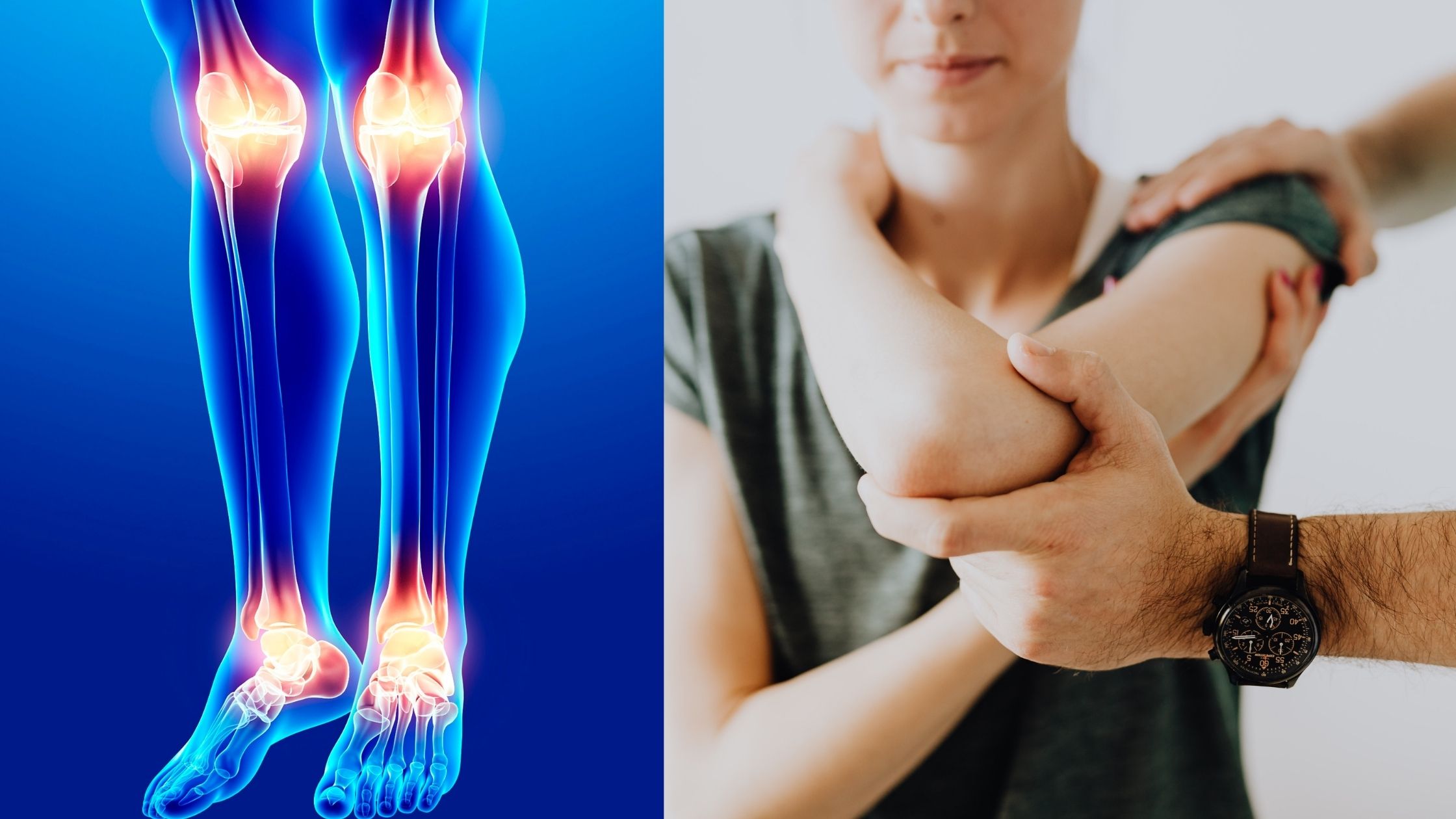
Healthcare is increasingly shifting toward preventive strategies that support the body’s natural biology.
At OlympusMD Wellness in Milton, many discussions with patients focus on metabolism, inflammation, hormone balance, recovery, and longevity. As medical research advances, clinicians are gaining a deeper understanding of how these systems interact to influence overall health, including the relationship between joint pain and cellular health.
Rather than addressing problems only after symptoms appear, modern approaches often look at underlying biological systems and how they may be supported earlier in the health journey.
Why This Topic Matters
Interest in metabolic health and longevity science has grown rapidly in recent years. Researchers are studying how cellular energy production, inflammation, hormones, and lifestyle factors influence long-term health outcomes.
Many people are becoming more proactive about understanding these biological systems and how they may affect energy levels, body composition, resilience, and joint health.
Individuals interested in this topic may also benefit from learning about SoftWave therapy for chronic pain, inflammation and aging, and recovery and exercise.
Understanding the Biology Behind Joint Pain and Cellular Health
The human body operates through a network of interconnected systems. Hormones influence metabolism. Sleep affects hormone signaling. Inflammation influences tissue repair and recovery.
Because of this complexity, modern health strategies often examine multiple factors rather than focusing on a single symptom or variable.
Researchers continue studying how inflammation, cellular repair, circulation, and tissue regeneration may influence joint function and why discomfort can sometimes begin long before structural changes become noticeable.
Why Personalized Medicine Is Growing
Advances in laboratory testing, genetic insights, and metabolic research are helping clinicians understand why individuals respond differently to the same treatments or lifestyle changes.
Personalized medicine uses this information to help guide strategies based on an individual’s biology, goals, and medical history.
Some individuals may also explore peptide therapy and cellular signaling, stem cells vs exosomes, or The Future of Regenerative Medicine as part of discussions about recovery and joint health.
Lifestyle Foundations
Even with advances in regenerative medicine and metabolic therapies, lifestyle habits remain essential. Research consistently shows that sleep, nutrition, muscle mass, physical activity, and stress management play major roles in long-term health and metabolic balance.
Many clinicians emphasize that medical therapies often work best when combined with strong lifestyle habits, including muscle mass strength and longevity and healthy habits that support sustainable weight management.
Professional Guidance
Because many therapies discussed in regenerative medicine interact with complex biological systems, medical oversight is important. Healthcare providers evaluate laboratory results, medications, and individual health history before recommending treatment strategies.
Understanding joint pain often requires evaluating inflammation, movement patterns, muscle strength, recovery, and overall metabolic health together.
Looking Ahead
Scientific understanding of metabolism, longevity, and regenerative medicine continues to evolve. Researchers are exploring how cellular energy, hormone signaling, inflammation, and genetics interact to influence aging and disease risk.
Future healthcare models will likely continue emphasizing prevention, personalization, and long-term health optimization.
FAQ
Frequently Asked Questions
Is regenerative medicine a replacement for traditional healthcare?
No. It is typically used alongside conventional medical care and focuses on supporting the body’s natural repair systems.
Do lifestyle habits still matter even with modern therapies?
Yes. Sleep, nutrition, exercise, and stress management remain some of the most important factors affecting health.
Should therapies always be guided by a healthcare professional?
Yes. Medical decisions should always involve qualified professionals who understand safety and clinical context.





Leave A Comment