
Healthcare is increasingly shifting toward preventive strategies that support the body’s natural biology. At OlympusMD Wellness in Milton, many discussions with patients focus on metabolism, inflammation, hormone balance, recovery, and longevity. As medical research advances, clinicians are gaining a deeper understanding of how these systems interact to influence long-term health.
One important part of this picture is the relationship between chronic stress and hormone balance. The body’s stress response is essential for adapting to challenges, but prolonged activation of stress-response systems can interact with sleep, metabolism, reproductive signaling, and other hormonal processes.
Why Chronic Stress and Hormone Balance Matter
Interest in metabolic medicine, longevity science, and regenerative therapies has increased dramatically. Researchers are studying how hormones, cellular signaling, inflammation, and lifestyle habits influence energy levels, resilience, and long-term health outcomes.
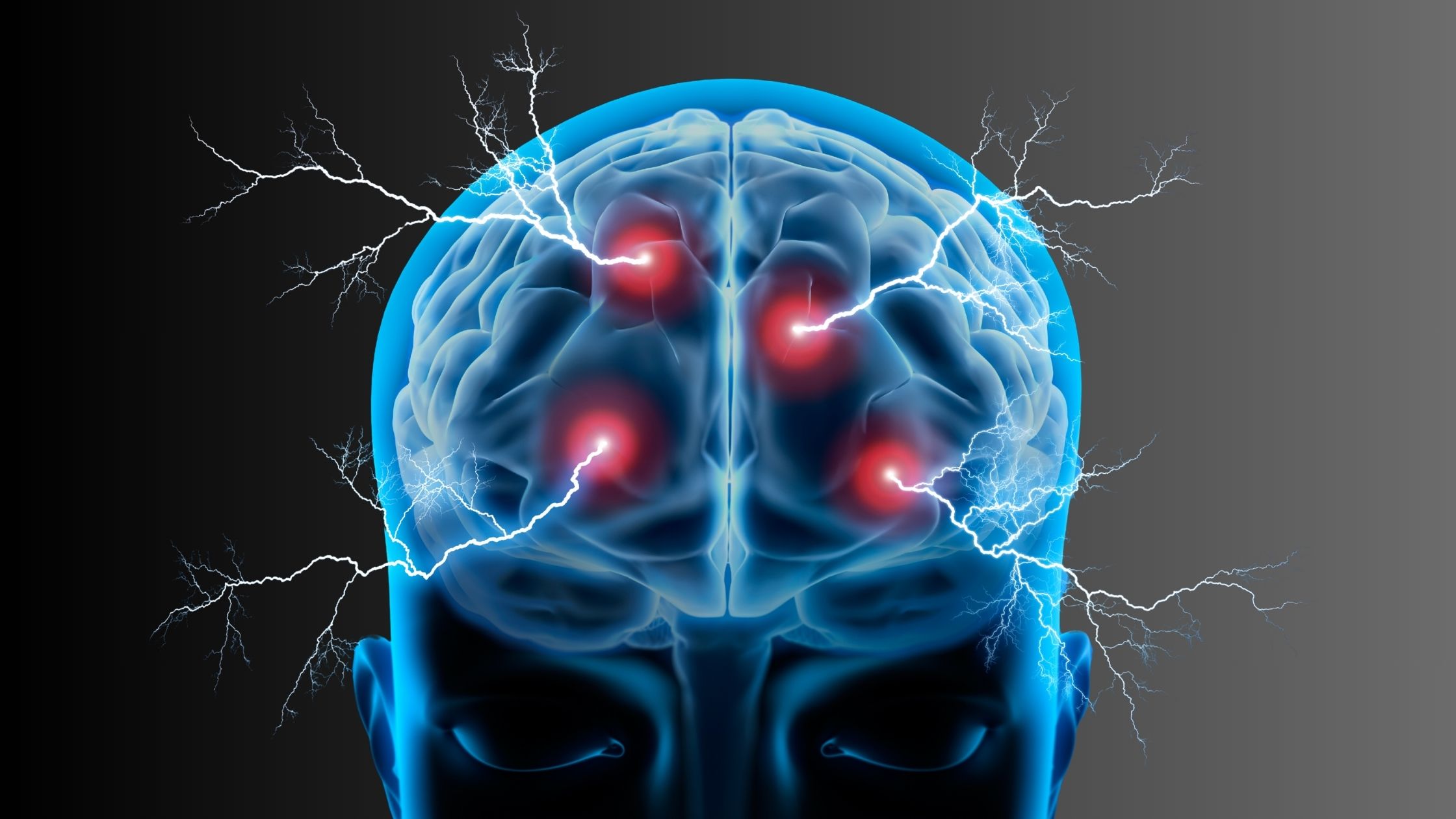
When the brain perceives a stressor, it activates biological systems designed to help the body respond. One of the most important is the hypothalamic-pituitary-adrenal (HPA) axis, which ultimately stimulates the adrenal glands to release cortisol.
Cortisol is not inherently harmful. It is an essential hormone involved in the stress response, metabolism, immune function, blood pressure regulation, and the sleep-wake cycle. Problems can arise when stress is prolonged and stress-response systems remain repeatedly activated.
This connection is explored further in our article on cortisol, stress, and metabolism.
Understanding the Biology
Human physiology operates through interconnected systems. Hormones influence metabolism, sleep affects hormone signaling, inflammation influences tissue repair, and stress affects nearly every biological process in the body. Because of this complexity, many modern health strategies examine the full biological picture rather than focusing on a single variable.
The HPA axis is a good example of this interconnected biology. In response to stress, the hypothalamus and pituitary gland communicate with the adrenal glands, leading to cortisol release. Cortisol then participates in a feedback system that helps regulate the stress response.
With chronic stress, repeated activation of these systems can affect normal physiological regulation. Stress may also influence other hormonal systems directly or indirectly through changes in sleep, appetite, physical activity, and metabolic health.
The relationship between chronic stress and hormone balance therefore involves more than cortisol alone. Researchers continue to study interactions between stress signaling and reproductive hormones, thyroid function, insulin regulation, and other endocrine pathways.
Personalized Health Strategies
Advances in diagnostics and metabolic research have made it possible for clinicians to evaluate biomarkers, lifestyle factors, and medical history when developing individualized strategies. This approach is often referred to as precision or personalized medicine.
People also respond to stress differently. Genetics, medical conditions, medications, sleep patterns, work demands, nutrition, physical activity, and psychological and social factors can all influence an individual’s physiological response.
Symptoms such as fatigue, sleep changes, weight changes, or changes in menstrual or sexual function can have many possible causes. They should not automatically be attributed to “high cortisol” or hormonal imbalance without appropriate evaluation.
For people experiencing hormone-related concerns, our guides to hormonal balance in women and hormonal balance in men provide additional context.
Lifestyle Foundations
Even with advances in medical therapies, foundational lifestyle habits remain essential. Sleep quality, nutrition, resistance training, stress management, and recovery habits all influence metabolic and hormonal balance.
Sleep deserves particular attention because stress and sleep can influence one another. Stress can make restorative sleep more difficult, while inadequate sleep can affect normal hormonal and metabolic regulation.
Understanding how sleep cycles influence hormones can therefore provide important context for the relationship between stress and endocrine health.
Regular physical activity, appropriate recovery, balanced nutrition, and evidence-based stress-management strategies can also support overall health. The goal is not to eliminate cortisol or avoid all stress, but to support the body’s ability to respond to challenges and return toward its normal physiological state.
Professional Guidance
Because hormonal symptoms can have multiple potential causes, medical oversight is important when symptoms are persistent or concerning. Providers may evaluate medical history, medications, symptoms, sleep, lifestyle factors, and laboratory testing when appropriate.
Patients should also be cautious about assuming that nonspecific symptoms prove they have “adrenal fatigue,” chronically elevated cortisol, or another hormonal disorder. The Endocrine Society notes that adrenal fatigue is not an established medical diagnosis and that symptoms attributed to it may have other causes.
A professional evaluation can help distinguish normal responses to stress from medical conditions requiring diagnosis or treatment.
Looking Forward
Scientific understanding of stress physiology, metabolism, and hormone signaling continues to evolve rapidly. Future healthcare models will likely emphasize prevention, personalization, and long-term health optimization.
Research into chronic stress and hormone balance continues to examine how the brain, endocrine system, metabolism, immune system, and sleep interact over time.
Understanding these relationships may help clinicians develop more individualized strategies that address not only hormone levels, but also sleep, recovery, stress exposure, metabolic health, and other factors influencing long-term well-being.
FAQ
Frequently Asked Questions
Is regenerative medicine a replacement for traditional healthcare?
No. It is typically used alongside conventional medical care and focuses on supporting the body’s natural repair systems.
Do lifestyle habits still matter?
Yes. Sleep, nutrition, exercise, and stress management remain some of the most important influences on health.
Should therapies always involve a medical professional?
Yes. Healthcare decisions should always be guided by qualified medical professionals.






Leave A Comment