
Healthcare is increasingly shifting toward preventive strategies that support the body’s natural biology. At OlympusMD Wellness in Milton, many discussions with patients focus on metabolism, inflammation, hormone balance, recovery, and longevity. As medical research advances, clinicians are gaining a deeper understanding of how these systems interact to influence long-term health.
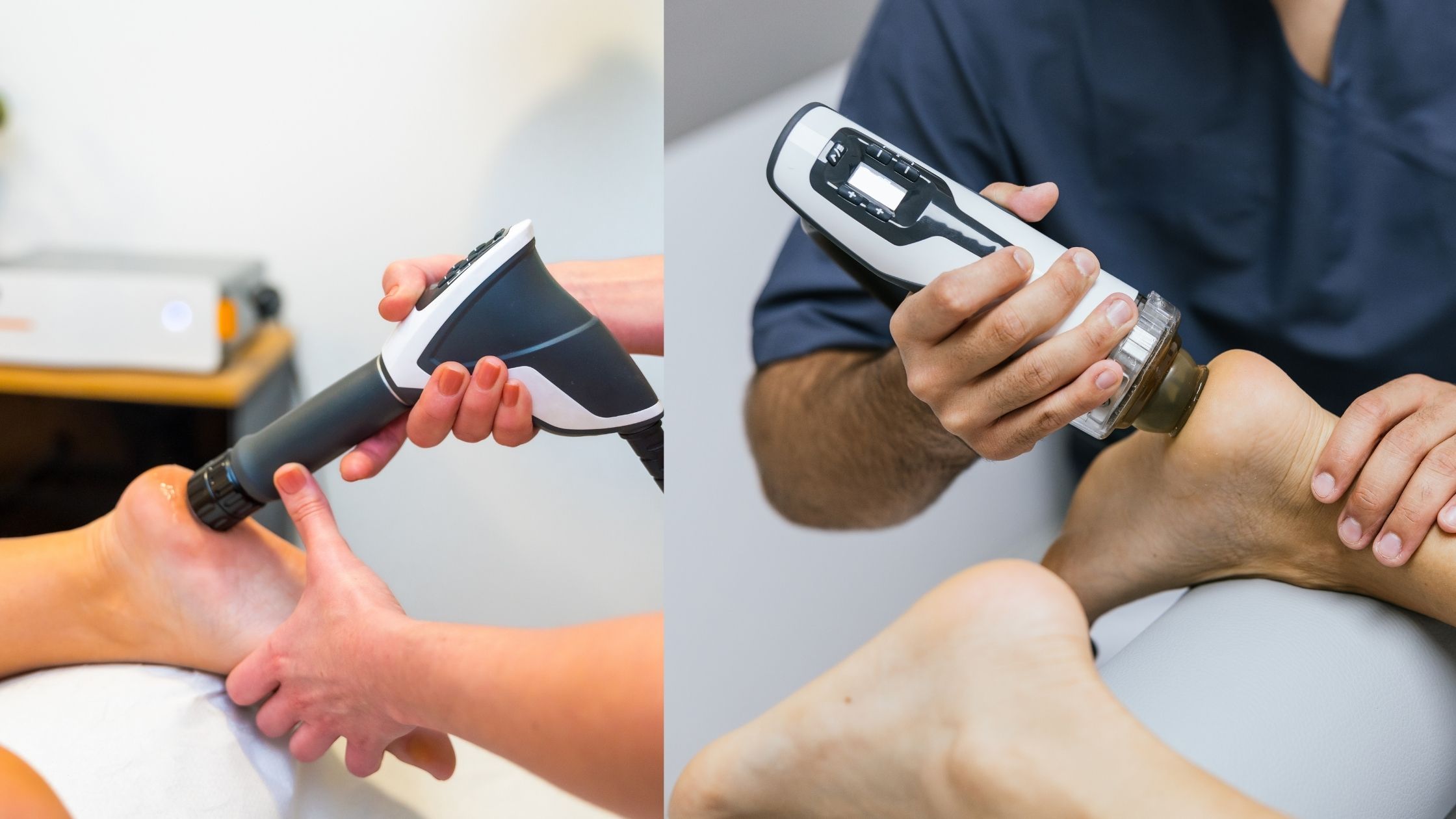
For people dealing with persistent heel pain, one area of interest is SoftWave therapy for plantar fasciitis. SoftWave uses acoustic waves delivered to targeted tissue, while the broader category of extracorporeal shock wave therapy has been studied as a noninvasive treatment option for plantar fasciitis.
Why SoftWave Therapy for Plantar Fasciitis Is Important
Interest in metabolic medicine, longevity science, and regenerative therapies has increased dramatically. Researchers are studying how hormones, cellular signaling, inflammation, and lifestyle habits influence energy levels, resilience, and long-term health outcomes.
Plantar fasciitis is one of the most common causes of heel pain. It involves the plantar fascia, a strong band of tissue running along the bottom of the foot and connecting the heel bone to the toes.
Symptoms often include pain near the heel that may be particularly noticeable with the first steps after getting out of bed or after periods of inactivity.
Many cases improve with conservative treatment. However, persistent symptoms can interfere with walking, exercise, work, and everyday activities. This has led researchers to investigate noninvasive options such as extracorporeal shock wave therapy for patients with ongoing plantar fasciitis.
Readers interested in similar applications can also explore our article on SoftWave therapy for chronic pain.
Understanding the Biology
Human physiology operates through interconnected systems. Hormones influence metabolism, sleep affects hormone signaling, inflammation influences tissue repair, and stress affects nearly every biological process in the body. Because of this complexity, many modern health strategies examine the full biological picture rather than focusing on a single variable.
Plantar fasciitis is generally associated with repetitive stress and degeneration of the plantar fascia rather than simply being an inflammatory condition.
Shockwave therapies deliver acoustic energy to targeted tissue. Researchers have investigated whether this mechanical stimulation may influence biological processes involved in pain and tissue repair.
Clinical studies and systematic reviews have found that extracorporeal shock wave therapy may improve pain and function in some patients with plantar fasciitis, particularly persistent cases. However, results can vary depending on the patient, treatment protocol, type of device, and severity or duration of symptoms.
This broader understanding of tissue health also connects with research into why joint pain often begins at the cellular level and how biological processes influence recovery.
Personalized Health Strategies
Advances in diagnostics and medical research have made it possible for clinicians to evaluate symptoms, lifestyle factors, and medical history when developing individualized strategies. This approach is often referred to as precision or personalized medicine.
Heel pain can have multiple causes, so an appropriate evaluation is important before beginning treatment. A provider may consider the location and duration of pain, activity level, previous treatments, medical history, and other potential causes of heel pain.
For some patients with persistent plantar fasciitis, SoftWave therapy for plantar fasciitis may be considered as part of a broader treatment strategy rather than as a stand-alone solution.
Lifestyle Foundations
Even with advances in medical therapies, foundational lifestyle and recovery habits remain essential.
Conservative management of plantar fasciitis can include activity modification, stretching, appropriate footwear, and exercises designed to improve foot and lower-leg function. Individual recommendations may vary depending on the cause and severity of symptoms.
Recovery also takes time. Our article on why recovery matters as much as exercise explores why giving tissues appropriate opportunities to recover is an important part of physical health.
Professional Guidance
Because musculoskeletal pain can have multiple underlying causes, professional evaluation is important. Providers consider symptoms, medical history, previous treatments, and other factors before recommending a treatment strategy.
SoftWave or other shockwave therapies may not be appropriate for every patient, and persistent heel pain should not automatically be assumed to be plantar fasciitis.
Patients should also understand that while research on extracorporeal shock wave therapy provides evidence relevant to this treatment category, outcomes from broader ESWT studies should not automatically be interpreted as evidence for every individual device, protocol, or patient.
Looking Forward
Scientific understanding of regenerative medicine and musculoskeletal recovery continues to evolve rapidly. Researchers continue to investigate how mechanical stimulation, cellular signaling, circulation, and tissue-repair processes may contribute to recovery.
Noninvasive technologies such as shockwave therapy represent one area of ongoing research for chronic musculoskeletal conditions, including plantar fasciitis.
As with other approaches in the future of regenerative medicine, continued clinical research will help clarify which patients are most likely to benefit and which treatment protocols produce the best outcomes.
FAQ
Frequently Asked Questions
Is regenerative medicine a replacement for traditional healthcare?
No. It is typically used alongside conventional medical care and focuses on supporting the body’s natural repair systems.
Do lifestyle habits still matter?
Yes. Sleep, nutrition, exercise, and stress management remain some of the most important influences on health.
Should therapies always involve a medical professional?
Yes. Healthcare decisions should always be guided by qualified medical professionals.




Leave A Comment