
Updated October 25, 2026 · Sources linked below
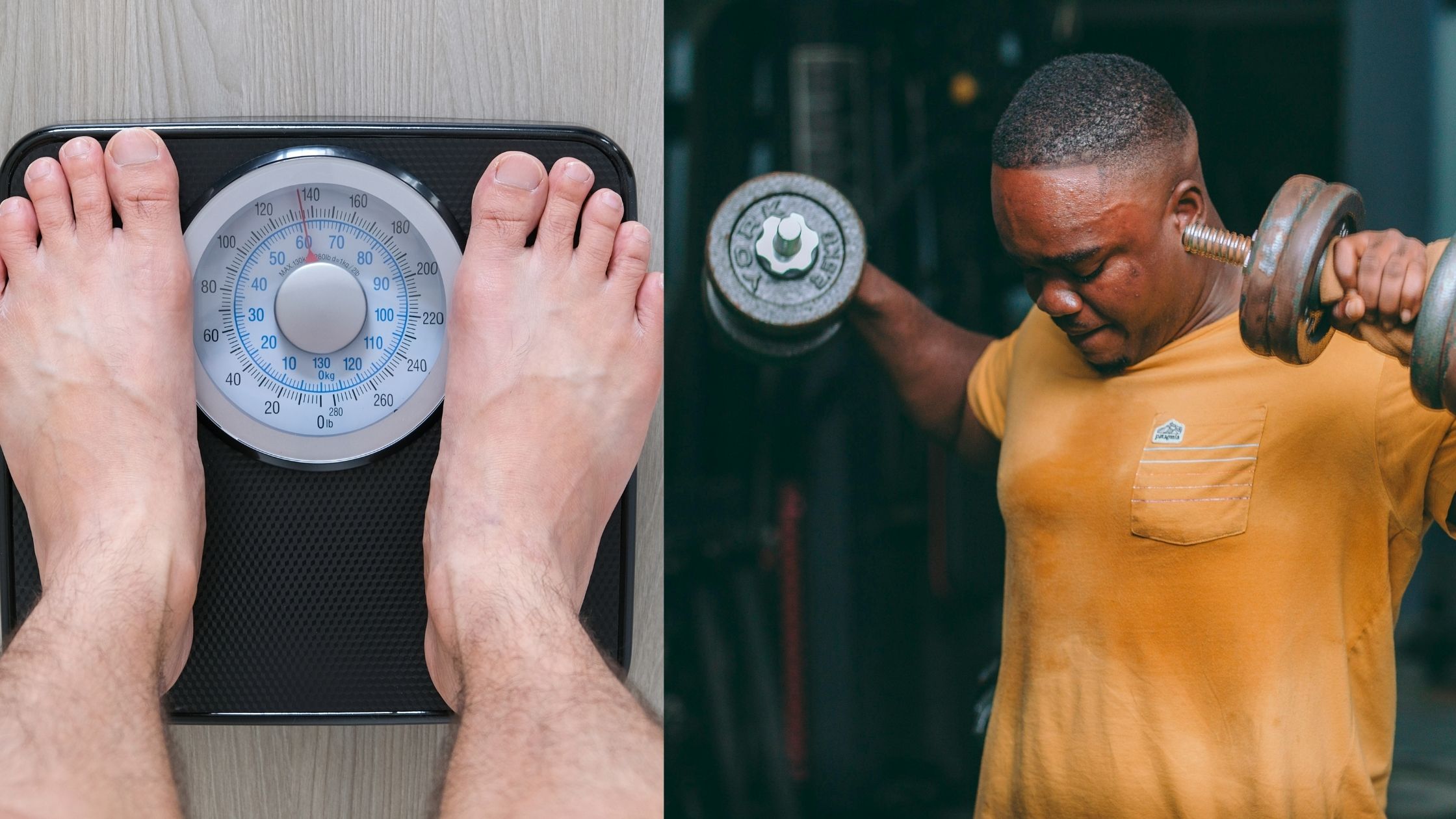
A flat line over a few weigh-ins can feel discouraging, especially after earlier progress. But body weight includes more than fat. Fluid balance, food and bowel contents, and measurement conditions can change a reading before any meaningful change in body composition occurs.
The first task is to decide whether there is a sustained pattern worth reviewing. There is no single number of unchanged days that diagnoses a plateau for every person.
Make the measurements comparable
If weight tracking is part of your care plan, use a consistent scale and similar conditions. Look at a trend across time rather than comparing a morning reading with an evening one. If weighing increases distress or conflicts with eating-disorder care, discuss a different monitoring approach.
Write down relevant events: travel, an illness, a new medicine, constipation, or changes in activity. The purpose is to explain context, not to make daily life revolve around the scale.
Check what else has changed
Has walking become easier? Are strength, blood pressure, or an agreed laboratory measure improving? Are side effects or inadequate food intake creating problems? Clinical care should consider both benefit and harm, not reward weight loss at any cost. [1]
An apparent plateau can also expose a practical issue. For example, medication access may have become inconsistent, or an injury may have reduced ordinary movement. Those situations need a different response from a stable maintenance phase.
Use follow-up to define the next step
Bring your trend and questions to the prescribing clinician. Ask whether the current response is expected for the treatment, whether another condition needs evaluation, and what outcome should guide the next review. Effective weight-management programs include ongoing support and planning for maintenance. [2]
Do not respond to an uncertain trend by combining medicines, buying research compounds, or changing doses independently. First establish what is happening and why a change would be appropriate.
Can I be maintaining progress even if weight is unchanged?
Yes. Maintaining earlier weight reduction can be a meaningful treatment outcome. The goal should be assessed in the context of your health.
Is every sudden increase just water?
No. A scale alone cannot determine the cause. A rapid unexplained change, especially with swelling, shortness of breath, or other new symptoms, deserves timely medical assessment.
Sources and further reading
- NIDDK: prescription medications to treat overweight and obesity
- NIDDK: choosing a safe and successful weight-loss program
Patient education from OlympusMD Wellness in Milton, Georgia. This article provides general information and does not replace an individual medical evaluation.

