

Healthcare is increasingly shifting toward preventive strategies that support the body’s natural biology. At OlympusMD Wellness in Milton, many discussions with patients focus on metabolism, inflammation, hormone balance, recovery, and longevity. As medical research advances, clinicians are gaining a deeper understanding of how these systems interact to influence long-term health.
Exercise is an important part of healthy aging, but training is only one side of the equation. The relationship between recovery and longevity is receiving increasing attention because the body needs adequate time and resources to repair tissues, adapt to exercise, regulate stress, and restore energy.
Why Recovery and Longevity Matter
Interest in metabolic medicine, longevity science, and regenerative therapies has increased dramatically. Researchers are studying how hormones, cellular signaling, inflammation, and lifestyle habits influence energy levels, resilience, and long-term health outcomes.
Physical activity creates physiological stress. When followed by appropriate recovery, the body can adapt to that stress by rebuilding tissues and improving strength, endurance, and physical capacity.
Insufficient recovery, however, may interfere with performance and contribute to persistent fatigue, reduced training capacity, sleep disturbances, and other signs of inadequate adaptation.
This is why recovery matters as much as exercise, particularly for people who want to maintain physical function over the long term.
Understanding the Biology of Recovery
Human physiology operates through interconnected systems. Hormones influence metabolism, sleep affects hormone signaling, inflammation influences tissue repair, and stress affects nearly every biological process in the body. Because of this complexity, many modern health strategies examine the full biological picture rather than focusing on a single variable.
Exercise temporarily challenges muscles and other tissues. Recovery provides the conditions in which the body can respond and adapt.
Sleep is particularly important. During sleep, the body undergoes processes involved in physical restoration, hormone regulation, immune function, memory, and metabolic health. Understanding how sleep cycles influence hormones provides additional insight into why consistent sleep is an important component of recovery.
Recovery is also closely connected with cellular energy. Mitochondria help generate the energy cells need to function, making mitochondrial health and longevity another important area of healthy-aging research.
Personalized Health Strategies
Advances in diagnostics and metabolic research have made it possible for clinicians to evaluate biomarkers, lifestyle factors, and medical history when developing individualized strategies. This approach is often referred to as precision or personalized medicine.
Recovery needs are not identical for everyone. Training intensity, age, fitness level, sleep, nutrition, medical conditions, stress, and previous injuries can all affect how quickly someone recovers.
For adults focused on maintaining function as they age, preserving muscle is especially important. Research consistently associates muscular strength and physical function with healthier aging, making muscle mass, strength, and longevity an important part of the larger conversation.
Lifestyle Foundations
Even with advances in medical therapies, foundational lifestyle habits remain essential. Sleep quality, nutrition, resistance training, stress management, and recovery habits all influence metabolic and hormonal balance.
A comprehensive recovery strategy may include adequate sleep, appropriate nutrition and hydration, rest between demanding training sessions, stress management, and adjusting exercise volume to individual capacity.
Resistance training remains particularly valuable with age. However, the goal is not simply to train harder. Combining strength training after 40 with appropriate recovery can help support strength, mobility, and physical function over time.
Hydration also plays a role in normal physiological function and exercise performance, connecting recovery with broader aspects of hydration and metabolic health.
Professional Guidance
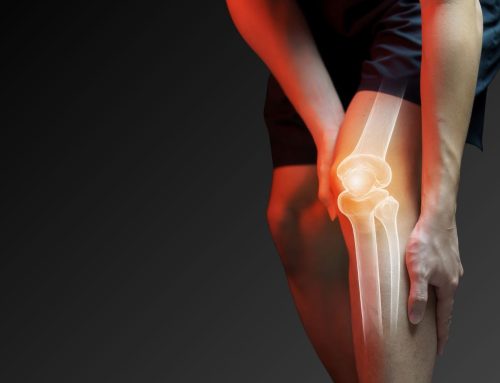
Because performance, recovery, and musculoskeletal health involve complex biological systems, medical oversight may be appropriate when symptoms persist.
Providers can evaluate medical history, medications, laboratory testing, nutrition, sleep patterns, training demands, hormone health, and other factors that could contribute to poor recovery or declining performance.
Persistent fatigue, pain, unexplained performance decline, or difficulty recovering should not automatically be dismissed as normal aging or overtraining. These symptoms may warrant evaluation to identify potential contributing factors.
Looking Forward
Scientific understanding of metabolism, longevity, recovery, and regenerative medicine continues to evolve rapidly. Future healthcare models will likely emphasize prevention, personalization, and long-term health optimization.
The emerging picture of recovery and longevity reinforces an important principle: long-term health is not determined by exercise alone. The ability to recover, adapt, preserve muscle, manage stress, and maintain physical function may be equally important.
As longevity research continues to develop, strategies that combine physical activity, sleep, nutrition, recovery, and preventive care will remain central to supporting health across the lifespan.
FAQ
Frequently Asked Questions
Is regenerative medicine a replacement for traditional healthcare?
No. It is typically used alongside conventional medical care and focuses on supporting the body’s natural repair systems.
Do lifestyle habits still matter?
Yes. Sleep, nutrition, exercise, and stress management remain some of the most important influences on health.
Should therapies always involve a medical professional?
Yes. Healthcare decisions should always be guided by qualified medical professionals.




Leave A Comment