
Healthcare is increasingly shifting toward preventive strategies that support the body’s natural biology. At OlympusMD Wellness in Milton, many discussions with patients focus on metabolism, inflammation, hormone balance, recovery, and longevity. As medical research advances, clinicians are gaining a deeper understanding of how these systems interact to influence long-term health.
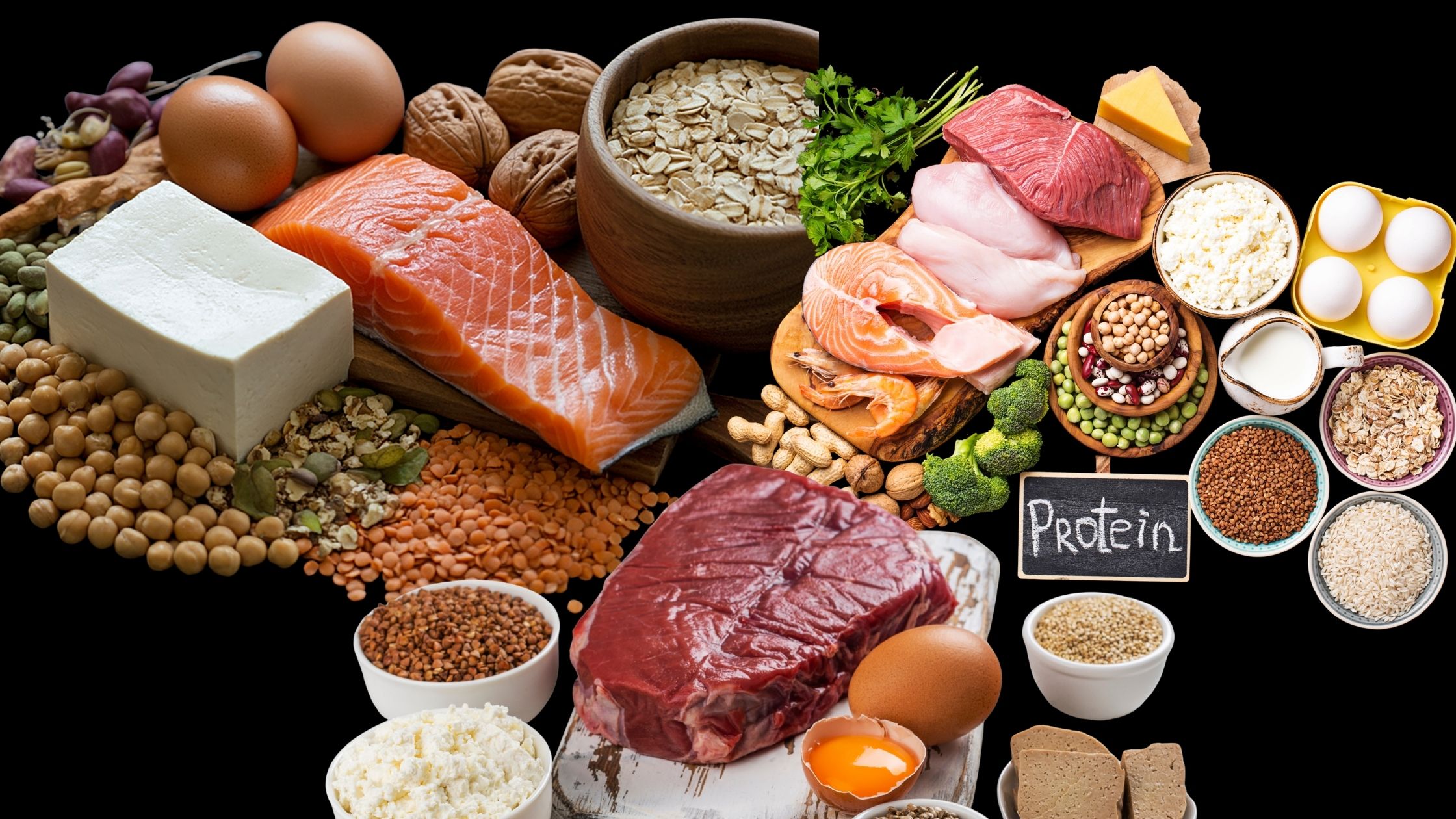
Nutrition is an important part of this picture, and the relationship between protein intake and metabolic health is receiving increasing attention. Protein provides amino acids needed throughout the body and plays important roles in maintaining muscle, supporting tissue repair, and regulating several aspects of metabolism.
Why Protein Intake and Metabolic Health Matter
Interest in metabolic medicine, longevity science, and regenerative therapies has increased dramatically. Researchers are studying how hormones, cellular signaling, inflammation, and lifestyle habits influence energy levels, resilience, and long-term health outcomes.
Protein is one of the three major macronutrients, alongside carbohydrates and fats. The body uses dietary protein to provide amino acids needed to build and maintain muscles, bones, skin, enzymes, hormones, and other tissues and molecules.
Protein can also influence satiety and energy expenditure associated with digestion. These characteristics have made dietary protein an important area of research in weight management and metabolic health.
For people focused on healthy aging, protein becomes particularly relevant because maintaining muscle mass, strength, and longevity is an important component of preserving physical function over time.
Understanding the Biology of Protein and Metabolism
Human physiology operates through interconnected systems. Hormones influence metabolism, sleep affects hormone signaling, inflammation influences tissue repair, and stress affects nearly every biological process in the body. Because of this complexity, many modern health strategies examine the full biological picture rather than focusing on a single variable.
Dietary protein is broken down into amino acids, which the body can then use for numerous physiological processes. In muscle tissue, adequate protein combined with resistance exercise provides amino acids needed to support muscle protein synthesis and adaptation.
Muscle is also metabolically active tissue and plays an important role in glucose metabolism. Maintaining skeletal muscle can therefore have implications beyond strength and appearance.
This becomes increasingly relevant with age, when adults may experience gradual declines in muscle mass and strength. Our article on muscle loss after 40 explores why preserving lean tissue becomes an important component of healthy aging.
Personalized Health Strategies
Advances in diagnostics and metabolic research have made it possible for clinicians to evaluate biomarkers, lifestyle factors, and medical history when developing individualized strategies. This approach is often referred to as precision or personalized medicine.
Protein requirements are not identical for everyone. Age, body size, activity level, training goals, total calorie intake, health conditions, and other factors can influence individual needs.
Athletes and physically active adults may have different requirements from sedentary individuals. Older adults may also need particular attention to protein intake and resistance exercise to help preserve muscle and physical function.
Certain medical conditions, including kidney disease, may require individualized dietary recommendations, making professional guidance especially important.
Lifestyle Foundations
Even with advances in medical therapies, foundational lifestyle habits remain essential. Sleep quality, nutrition, resistance training, stress management, and recovery habits all influence metabolic and hormonal balance.
Protein works best as part of a complete dietary pattern rather than as an isolated strategy. Food quality, fiber, fruits and vegetables, healthy fats, hydration, and overall energy intake remain important.
Resistance exercise is also a particularly important partner to adequate protein intake. Combining protein-rich nutrition with strength training after 40 can help support the maintenance of muscle and physical function.
Protein may also be particularly relevant during weight loss because preserving lean mass is an important consideration as body weight decreases. This applies whether someone is pursuing lifestyle-based weight management or medical weight loss.
Professional Guidance
Because nutrition and metabolism are influenced by individual health factors, recommendations should be personalized when appropriate. Providers may consider medical history, kidney function, medications, activity level, body composition, dietary patterns, and health goals before recommending significant dietary changes.
More protein is not automatically better. The appropriate amount and sources of protein should fit within an individual’s overall nutritional needs and medical circumstances.
Patients making substantial dietary changes, particularly those with kidney disease or other chronic health conditions, should discuss their nutritional needs with a qualified healthcare professional.
Looking Forward
Scientific understanding of metabolism, longevity, and nutrition continues to evolve rapidly. Future healthcare models will likely emphasize prevention, personalization, and long-term health optimization.
The relationship between protein intake and metabolic health illustrates why nutrition is about more than calories alone. Maintaining adequate protein intake, preserving muscle, remaining physically active, and supporting recovery can all contribute to healthier body composition and physical function over time.
As research into strength training and healthy aging continues, nutrition and resistance exercise will remain closely connected areas of preventive health.
FAQ
Frequently Asked Questions
Is regenerative medicine a replacement for traditional healthcare?
No. It is typically used alongside conventional medical care and focuses on supporting the body’s natural repair systems.
Do lifestyle habits still matter?
Yes. Sleep, nutrition, exercise, and stress management remain some of the most important influences on health.
Should therapies always involve a medical professional?
Yes. Healthcare decisions should always be guided by qualified medical professionals.




Leave A Comment