
Updated October 25, 2026 · Sources linked below
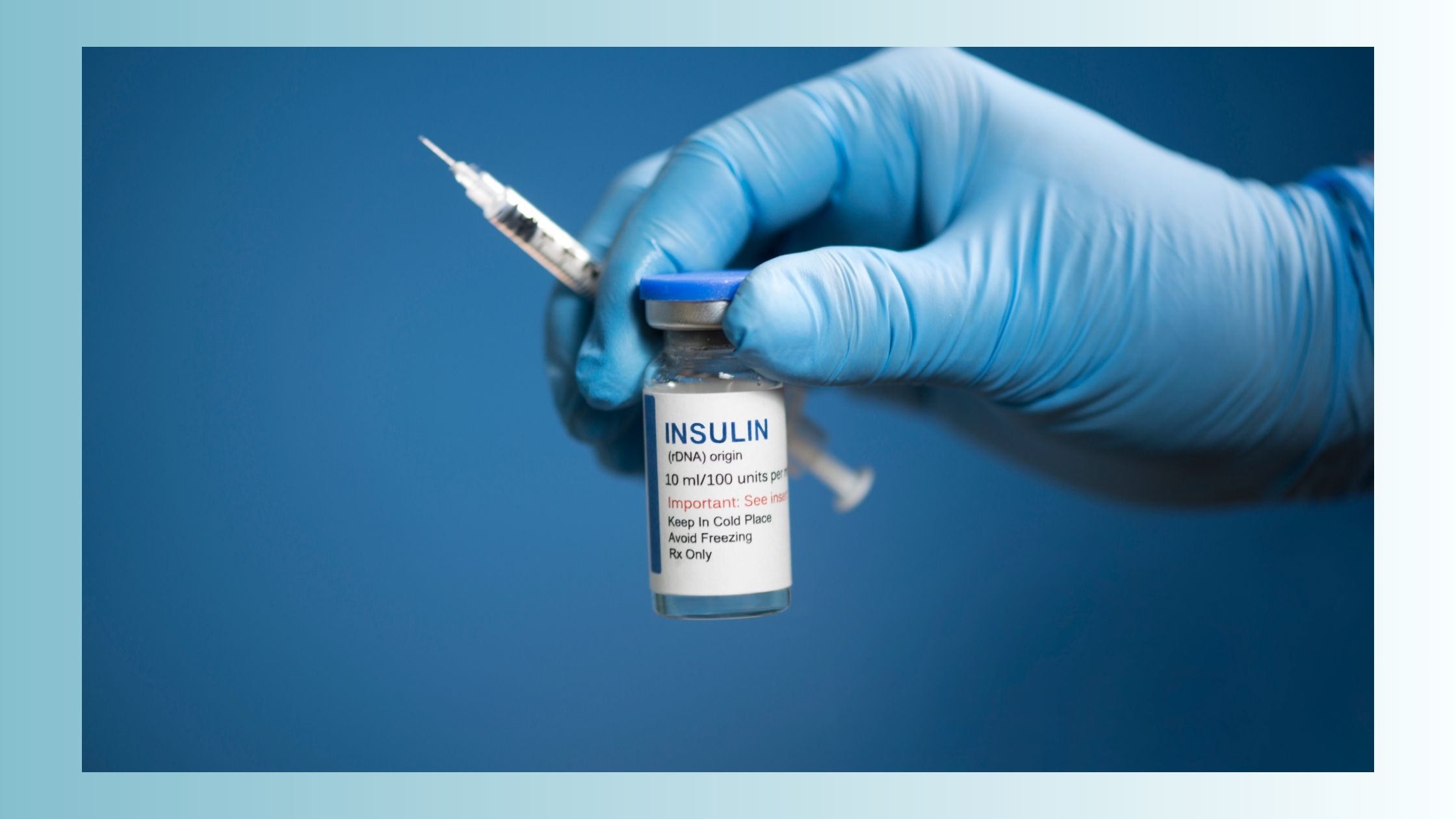
Insulin helps regulate glucose in the blood. When muscle, liver, and fat cells respond less effectively to insulin, the pancreas may produce more of it to maintain glucose control. Over time, blood glucose can rise when that compensation is no longer sufficient. This process is called insulin resistance. [1]
It is relevant to weight management, but it is not a diagnosis that can be made from a body shape, food craving, or social-media checklist.
Glucose results and insulin sensitivity are related, not identical
A1c and fasting glucose help assess blood-glucose patterns and identify prediabetes or diabetes when interpreted appropriately. A normal result does not reveal every detail of insulin action. Conversely, an isolated insulin measurement should not be interpreted without the clinical context, collection conditions, and the reason for testing.
A clinician considers family history, previous gestational diabetes, medicines, blood pressure, lipid results, and other risk factors. Some people have insulin resistance without obvious symptoms. [1]
Why the scale is an incomplete guide
Two people at the same weight can have different health risks and treatment needs. Weight trends can contribute useful information, but blood pressure, glucose control, physical capacity, and sustainable daily habits also matter. Improvement in one area should not be ignored because the scale is temporarily unchanged.
Activity and eating patterns are parts of prevention and treatment. A plan should be practical enough to repeat: appropriate movement, meals that fit medical needs, and follow-up on abnormal findings. These steps are not a moral test, and difficulty losing weight is not evidence of poor character. [2]
Prepare a focused conversation
Bring earlier glucose or A1c results with dates, your medication list, and any family history of diabetes. Ask which findings suggest increased risk and which changes would meaningfully reduce that risk. If you use a wearable glucose sensor, ask how to interpret its readings rather than reacting to every fluctuation.
Does insulin resistance make weight loss impossible?
No. It can be part of a more complicated metabolic picture, and treatment should account for that picture. It does not establish that all carbohydrates must be eliminated.
Should everyone have fasting insulin tested?
Not necessarily. Before any test, ask what clinical question it answers and whether it would change care. A bigger panel is not automatically a better assessment.
Sources and further reading
Patient education from OlympusMD Wellness in Milton, Georgia. This article provides general information and does not replace an individual medical evaluation.

